
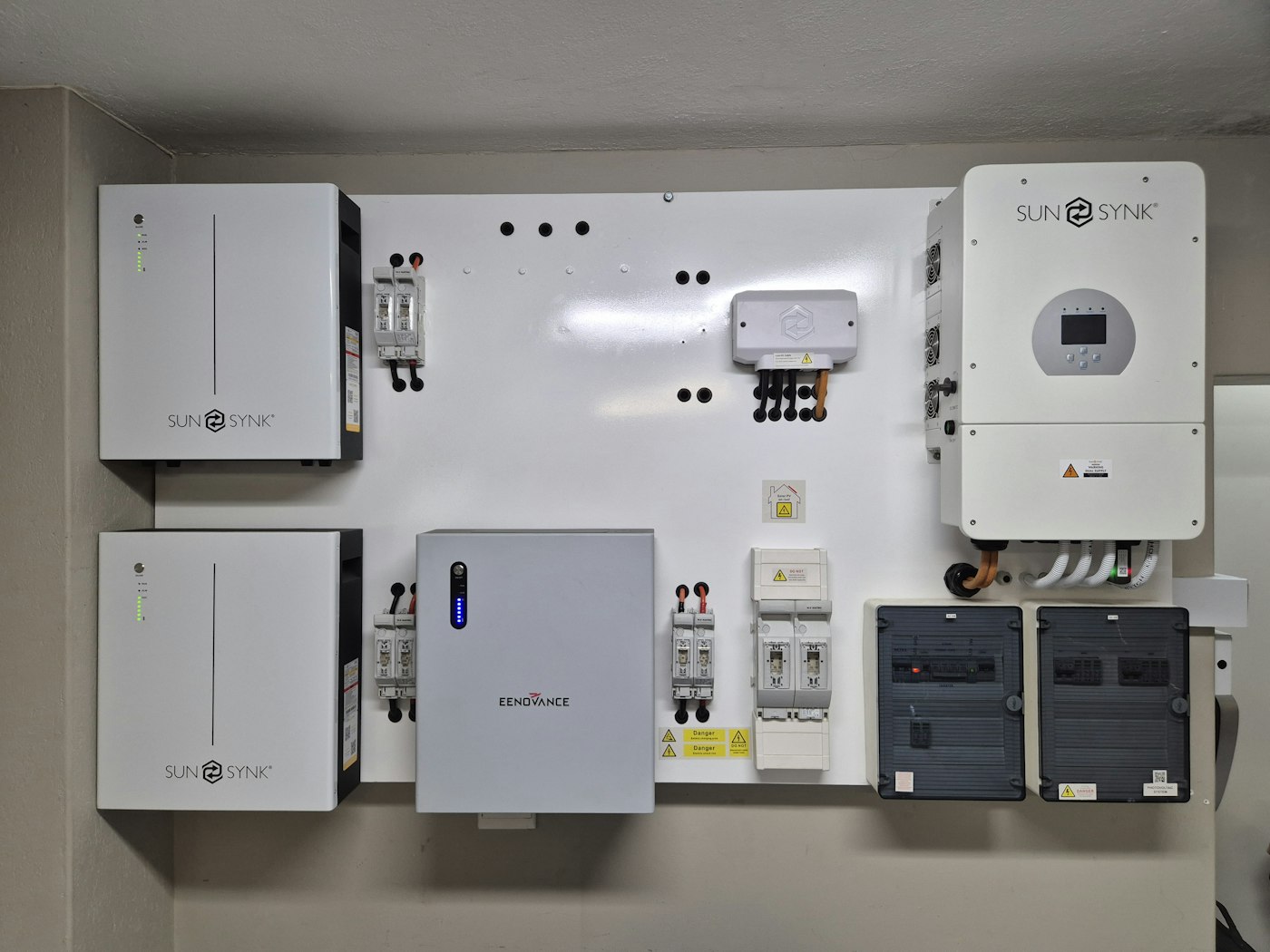
Battery Energy Storage Systems

Storage planning starts with what you need to power–and for how long.

Illustrative stock photograph relating to solar energy work

Match Storage to Your Operations

A battery energy storage system (BESS) stores electricity for use when needed. Its suitability depends on your energy source, electrical infrastructure and the job you expect it to perform.

SESCO’s BESS enquiries focus on industrial and commercial requirements, including essential-load backup, solar energy storage and peak-load management where technically suitable.

Tell us about your operating hours, existing equipment and power requirements. These details form the basis of the assessment.

Discuss Your Storage Requirements

What Do You Need Storage For?

Support Essential Loads

Identify the equipment that needs power during an interruption. Its running demand, starting requirements and required backup duration help determine the storage configuration.

Backup operation depends on the complete system design, including suitable controls and protection.

Use Solar Energy Later

Solar battery storage can retain energy for use outside the hours in which it is generated. The assessment compares available solar generation with consumption patterns and battery operating limits.

Manage Peak Demand

For suitable sites, storage may help manage periods of higher electricity demand. Feasibility depends on the load profile, tariff structure and how the system will be operated.

Review an Existing Installation

Adding storage requires a review of the current inverter, electrical arrangement and controls. Existing solar capacity alone does not establish whether a battery addition will work.

Battery Sizing Goes Beyond Capacity

Your proposal should distinguish the system’s power output from the amount of energy it can deliver over a period of use.

Power Requirements

Which equipment will operate together? Running loads and starting demand influence the required output.

Operating Duration

How long must those loads remain supported? That duration helps determine how much usable stored energy the system requires.

Charging Conditions

Battery recharging must fit around the solar energy and grid supply available during your site’s operating schedule.

Site & Equipment Compatibility

Installation planning accounts for the space and conditions at your site, while integration requires a review of existing equipment and electrical infrastructure.

Request a Storage Assessment

Illustrative stock photograph relating to solar energy work

Already Have Solar? Start with Compatibility.

An existing solar installation may be suitable for a storage addition, but the integration approach needs assessment.

Share your inverter make and model, system capacity, electrical drawings where available and the loads you want the battery to support.

AC-coupled and DC-coupled arrangements can involve different equipment and design requirements. The appropriate option depends on the site and the proposed system.

Discuss an Existing System

From Load Data to a Storage Proposal

01

Define the Requirement

Explain the problem you want storage to address: backup duration, essential equipment, solar utilisation or peak demand.

02

Review the Site

Provide electricity bills, demand data and existing equipment details. A visit may be necessary to check the conditions in which the equipment will be installed.

03

Assess the Configuration

Review the proposed output, usable capacity, integration approach and operating assumptions.

04

Agree the Scope

Confirm equipment, responsibilities, exclusions, commercial terms and delivery milestones before proceeding.

Know What Your Storage Proposal Includes

  • Intended application and supported loads.
  • Proposed power output and usable energy capacity.
  • Equipment models and integration requirements.
  • Operating assumptions and system limitations.
  • Installation scope and exclusions.
  • Testing, commissioning and handover responsibilities.
  • Applicable manufacturer warranties and service terms.
Relevant Project Experience

Storage Experience You Can Review

Approved project summaries will identify the customer’s requirement, SESCO’s responsibilities, and the delivered scope when verified details are available.

Ask About Relevant Project Experience

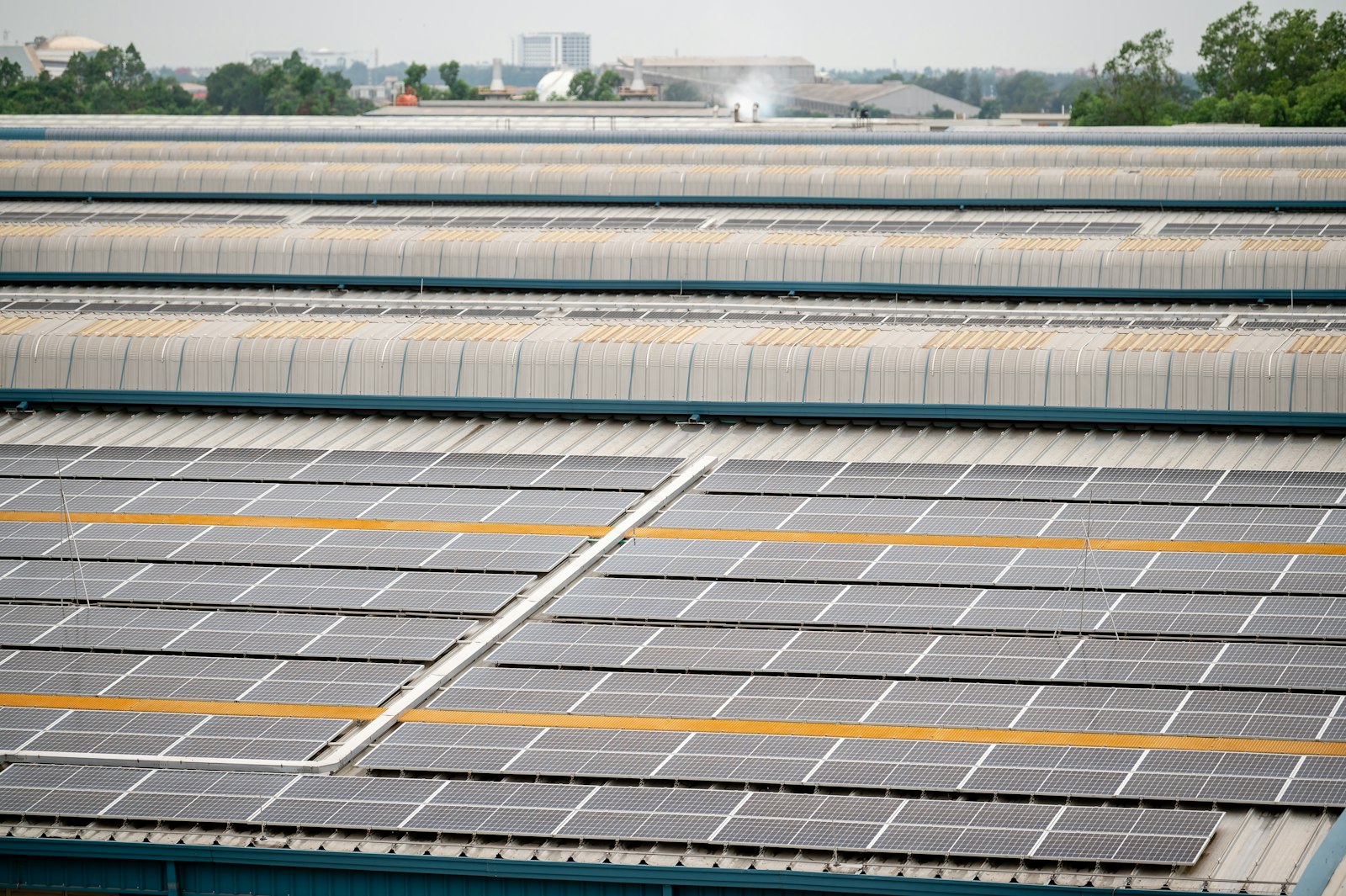
Illustrative industrial solar rooftop, not a documented SESCO project

Questions About Battery Storage

Is BESS the same as a backup battery?

Backup is one possible application. Other BESS applications include storing solar electricity for later use and managing demand. Each application calls for an appropriate combination of equipment and controls.

How much battery capacity does my site need?

Capacity depends on the loads you want to support, their operating duration and the system’s usable energy limits. For an industrial assessment, include any available records showing how the site’s electrical load changes over time.

Can a battery power the whole facility?

That depends on the facility’s demand and the system design. Some projects prioritise selected essential loads rather than every connected load.

Can storage work with my existing solar inverter?

Compatibility must be checked. To assess a battery addition, we need your inverter model, installed solar capacity and details of how the electrical system is connected.

Will BESS reduce my electricity costs?

The financial outcome depends on tariffs, consumption, charging conditions, equipment costs and operation. Any estimate should use your site’s data and clearly stated assumptions.

How long will the battery provide backup?

Backup duration varies with the connected load, usable battery capacity, operating conditions and system settings. It should be calculated for the equipment you intend to support.

Which warranties apply?

Warranty coverage depends on the selected equipment and manufacturer conditions. Installation coverage and SESCO’s service responsibilities must be stated separately.

Send the Details That Help Us Assess Your Site

  • Company name and site location.
  • Recent electricity bills and operating hours.
  • Load profile or demand data, where available.
  • Essential equipment and required backup duration.
  • Existing solar, inverter and battery specifications.
  • Available installation space.
  • Your main objective and project timeframe.

Send Your Project Details

Plan Storage Around a Clear Requirement

Whether you are reviewing an existing solar system or planning a new project, start with the loads and operating conditions the battery must serve.

Discuss BESS with SESCO